
How to Prevent Miscommunication Online
Meeting new people online can be exciting and entertaining. However, there is nothing worse than accidentally offending someone when you didn't mean any harm. Here's how to keep your online conversations clear, kind, and honest.
March 9, 2026 - 8 min read
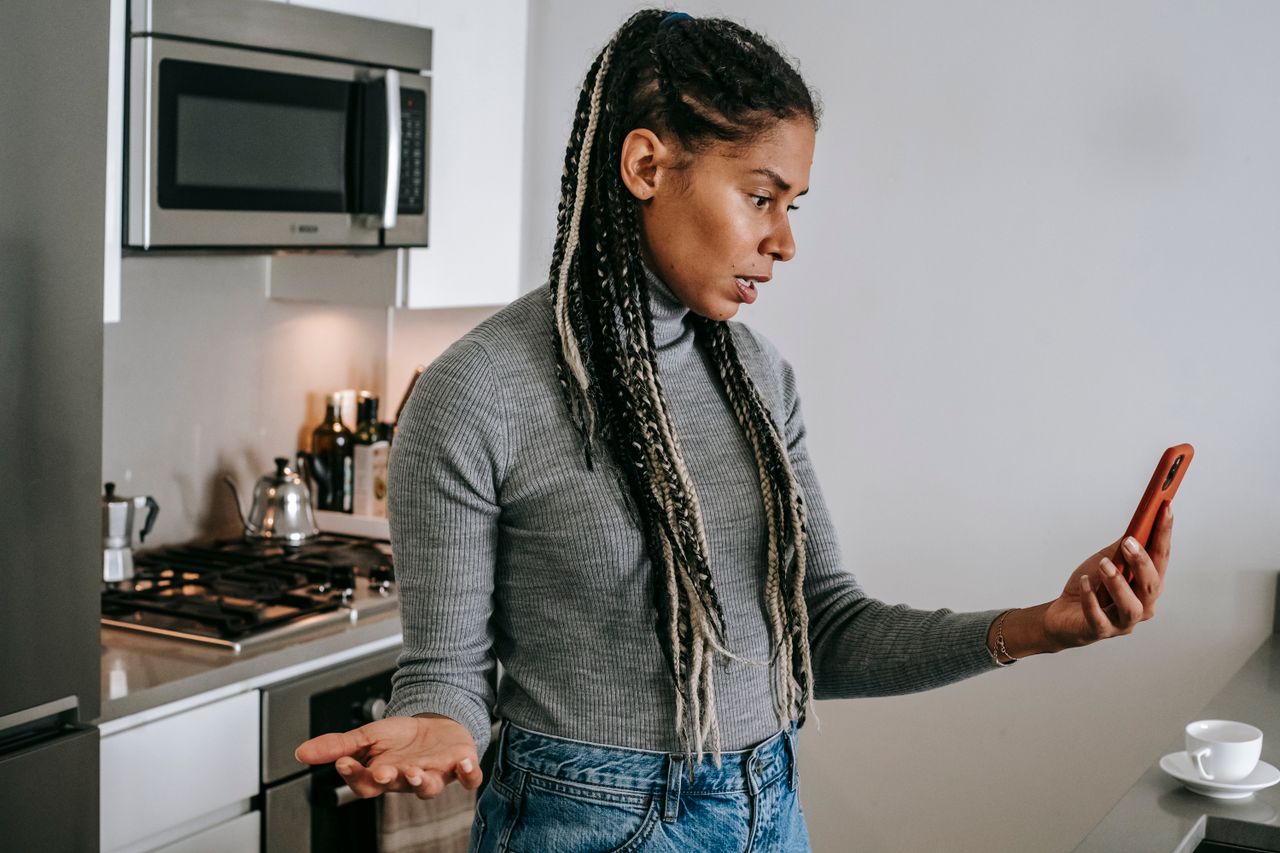
Meeting new people online can be exciting and entertaining. However, there is nothing worse than accidentally offending someone when you didn’t mean any harm. In this article, we’ll guide you through some tips on how to prevent miscommunication online.
Text strips away tone of voice, facial expression, and timing, which are the exact things that usually tell people whether you’re joking, annoyed, curious, or just tired. That gap is where most online miscommunication actually comes from, and the good news is that almost all of it is preventable with a bit of extra care.
Keep the language barrier in mind
The internet is an excellent way to meet all kinds of people from all over the world. Most of them will speak English, whether it’s their native language or not. Still, it can be genuinely hard to interpret metaphors, puns, or sarcasm when it’s not your first language, even for people who are otherwise fluent. If you’re talking to someone you know isn’t a native English speaker, it’s worth avoiding jokes or sarcasm that rely heavily on wordplay or cultural context that may not translate well. And if you do make that kind of joke anyway, make it clear that you’re joking rather than assuming the tone will land on its own.
Clarify when you’re joking
Jokes get made everywhere on the internet, especially on forums and in group chats — it’s a great way to relax and build rapport with new people. But not everyone will read your joke the way you intended it. That’s why it helps to clarify yourself when it feels necessary. If you’re posting a very sarcastic comment, for example, adding “/s” at the end is a widely recognized sign that you’re being sarcastic. Ending a comment with a smiley face or “jk” (short for “just kidding”) works too, and both go a long way toward keeping the mood light instead of tense.
Know your audience
Certain jokes tend to land best within a specific age group or a particular niche. So if you’re sharing the newest meme format with a group made up mostly of people over 30, there’s a decent chance it won’t hit the way you expect it to, simply because the reference point isn’t shared.
A related but slightly different issue is how people process types of humor. Not everyone naturally reads irony or sarcasm the same way. That’s not their fault — but if someone mentions they just failed a test and you reply, “well, that’s fantastic!”, expecting them to instantly clock the sarcasm, you might get off on the wrong foot before the conversation even really starts.
Don’t be offensive
This rule applies to any group, anywhere online. Plenty of jokes can be made, even ones that sit right on the edge of touchy subjects, the way certain shows or comedians manage to pull off. But never make racist, sexist, or otherwise offensive remarks and then try to defend them afterward by insisting it was “just a joke.” If it needs that much defending after the fact, it either wasn’t really a joke to begin with, or it was worded badly enough that the joke got lost entirely.
Current events and other sensitive, ongoing issues are generally worth steering clear of humor-wise too, just to be safe, especially with people you don’t know well yet.
Help someone out
There will be times when someone doesn’t get a joke you made, or just doesn’t understand what you said at all. In situations like that, it’s often simply a language barrier, and it’s a great moment to help someone learn rather than make them feel excluded. Never make fun of them for not getting it — instead, explain what you meant when you said something like “yeet.” It turns into a small learning moment for both of you, and it can genuinely help build a friendship rather than create distance. For more on building that kind of connection from scratch, see our guide on getting to know someone new.

Listen to others
Sometimes someone sends a message before they’ve actually finished typing, and in those cases, the first half can come across as an entirely different message than the complete one would have. It’s always a good idea to wait a moment before replying, just to see if there’s more coming. Apps like WhatsApp, Facebook, and Instagram have handy indicators that show when someone is still typing, which is a useful cue to hold off on your reply for a beat.
Apologize when you get it wrong
It’s important to recognize that you might have worded something poorly when a miscommunication happens, rather than assuming the other person simply misread you. It’s easy to shift the blame elsewhere, but doing that consistently won’t help you build genuine friendships online. Owning up to a mistake is a genuinely strong move, and it tends to make people appreciate you more, precisely because you were honest about it instead of getting defensive.
Don’t lie
Which brings us to the next point: however easy it might feel to lie on the internet, it has a way of catching up with you eventually. Let’s say you bonded with someone over both supposedly owning a German Shepherd, even though you don’t actually have one. They might eventually suggest meeting up, or hopping on a video call with the dogs together, and the lie unravels right there. That moment doesn’t just break the specific thing you bonded over — it damages the trust underneath the whole friendship, and makes them second-guess everything else you’ve told them too. If someone mentions they love German Shepherds and you do too, it’s completely fine to just say you don’t own one yet, but hope to someday. That’s honest, and it still gives you something genuine to talk about.
Re-read before you press send
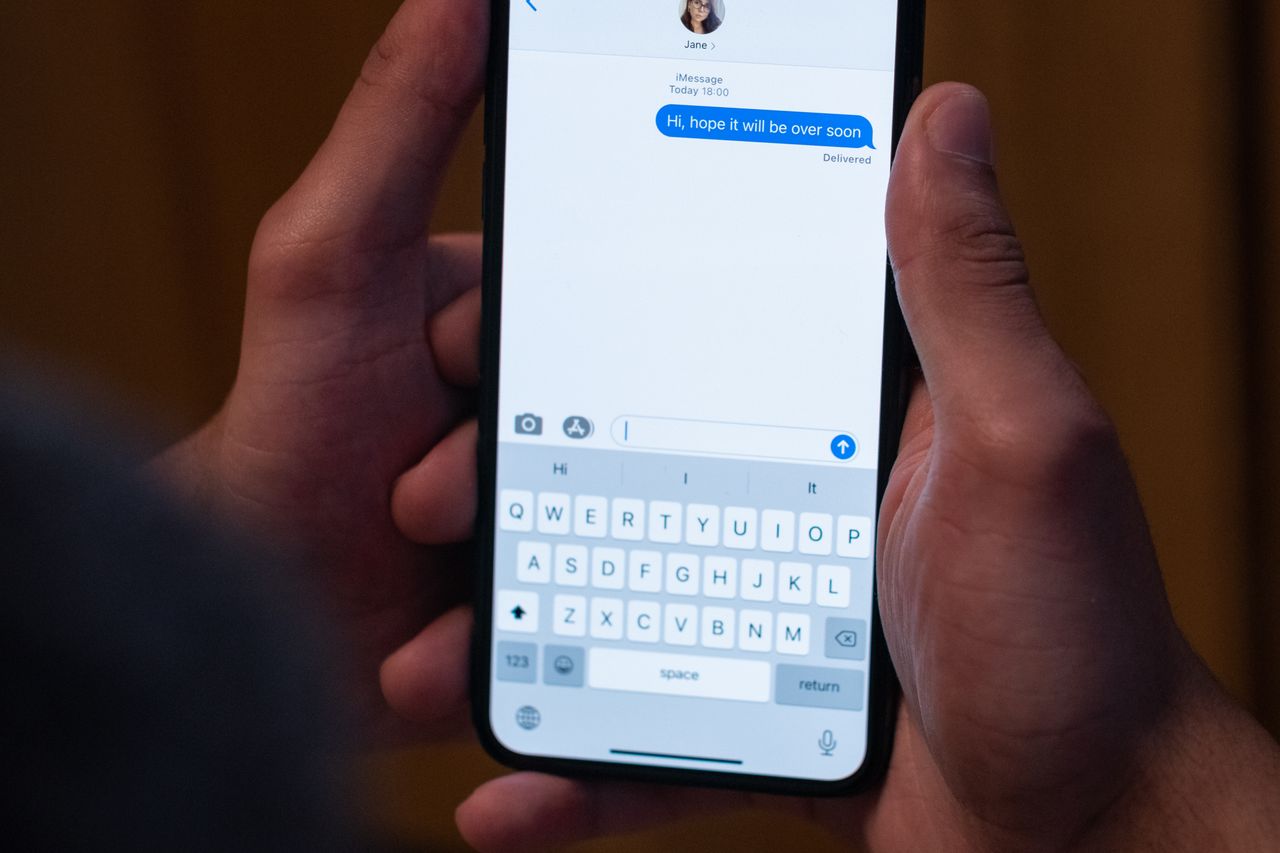
When you’re typing quickly, it’s easy to make a typo, or think one thing and type something slightly different by accident. It happens to everyone. But skipping the step of proofreading your message, whether it’s an email or a casual online chat, can genuinely lead to miscommunication or hurt feelings down the line. Take a moment to re-read what you’ve written and catch any typos, unfinished sentences, or misplaced words before sending. It also just reads as more thoughtful — even on a casual forum where “professional” isn’t really the goal, a well-worded message tends to land better and get taken more seriously.
Be direct
Sometimes you need to ask someone for a favor, or call them out on something they did online that bothered you. In moments like that, being direct matters. If you beat around the bush too much, people can easily misread your intent, or simply not take you seriously at all. Setting your intentions clearly — something like, “Hey, I found your comment the other day a bit off — could you avoid that going forward?” — comes across as far more professional and effective than a vague, passive-aggressive complaint aimed at no one in particular. It’s also simply kinder, since it gives the other person a clear, specific thing to respond to instead of guessing what actually upset you.
Give people the benefit of the doubt
Before assuming the worst about a message that rubbed you the wrong way, it’s worth pausing to consider that it might just have been worded badly, rather than meant maliciously. Text has a way of sounding blunter or colder than the person typing it actually intended. A short, curious reply like “hey, how did you mean that?” resolves a huge number of misunderstandings before they ever get the chance to escalate into something bigger than they needed to be.
Watch out for tone in short replies
One-word or very short replies are one of the most common sources of accidental tension online. “k.” or “fine.” can read as annoyed or dismissive even when the person typing it meant nothing by it — they were just busy, or replying quickly between other tasks. If you catch yourself reading hostility into a short reply, it’s worth pausing before reacting, and if you’re the one sending short replies regularly to someone who might misread them, a few extra words or a quick emoji can go a long way toward preventing an unintended misunderstanding.
Match formality to the platform and person
Miscommunication also happens when the level of formality doesn’t match the context. A joking, casual tone that works perfectly in a group chat with close friends can land very differently in a work Slack channel or an email to someone you don’t know well. Before sending a message, it’s worth briefly considering who’s actually going to read it and adjusting your tone accordingly, rather than defaulting to whatever style feels most natural to you in the moment.
Conclusion
Now you’ve learned a bit more about online etiquette. Pair these habits with our broader guide on making friends online for the full picture. Miscommunications will happen from time to time, no matter how careful you are — how you handle them afterward says a lot about what kind of person you are. Stay patient, stay honest, and don’t be afraid to clarify yourself or ask for clarification when something doesn’t land the way it was meant to. And remember, all of this applies just as much to your everyday offline life too.