
Demystifying the Ever-Growing World of Online Dating
An overview of online dating -- the pros and cons, building a great profile, finding matches, sending messages, and handling rejection -- to help you get started with confidence.
June 20, 2026 - 10 min read
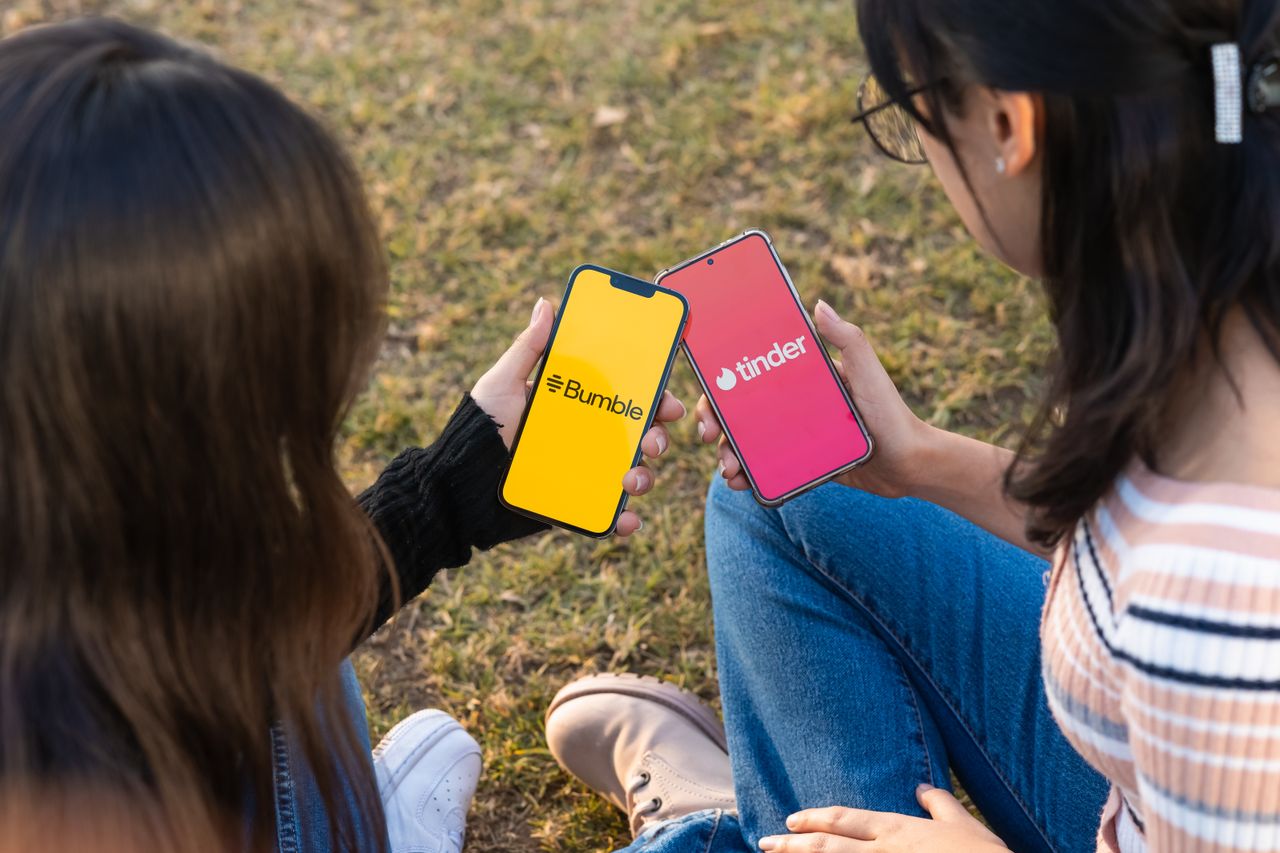
If dating wasn’t hard enough as it is, online dating can also feel confusing. Get a full overview here and figure it all out before you dive in.
Approaching someone at a bar can be pretty horrifying if you haven’t done it at least fifty times. If you slip up and aren’t smooth about it, rejection can be genuinely tough to face. It’s even worse when you’ve been talking to someone for a while and you already consider them a friend, but the moment you bring up dating, everything suddenly turns awkward.
Rejection isn’t easy to face, but roughly 90% of the time, it comes down to that first impression or approach. Of course, that’s usually where the slip-ups happen in the first place, and it’s exactly why online dating has become such a massive thing. When you’re sending that first message, you get to reread it as many times as you want before hitting send, making sure everything sounds right.
Stuttering simply doesn’t exist over text. Pausing awkwardly to find the right word doesn’t exist either. Writing messages is considerably slower than speaking naturally, and while that takes away a bit of spontaneity and personality, it also means you can actually say things the way you meant to. Let’s first look at the advantages of online dating, then weigh them against the downsides.
Advantages of online dating
- As mentioned, a first impression matters a lot when approaching someone, but with a written message, it’s much harder to completely botch it. As long as what you write doesn’t come across as too strange, you can usually clear that first hurdle relatively smoothly.
- If you find someone in your area, it’s genuinely easy to escalate an online connection into a physical relationship once things click.
- Rejection tends to be easier to handle, since you can simply block someone or stop replying and move on to another potential match, without an awkward in-person moment to navigate.
- There’s usually less financial cost involved overall, mostly because it’s hard to end up at an expensive restaurant date when you haven’t even met face-to-face yet.
Disadvantages of online dating
- Since everything happens online at first, if you’re craving a physical relationship, the process can start to feel a bit hollow or lacking. Having someone actually there with you is almost always nicer than a screen.
- Finding people nearby to talk to can be genuinely difficult if you live in a small town or a sparsely populated area.
- There are also plenty of fake profiles designed to lure people in, so it’s worth staying alert for those. Weighing the pros against the cons, the pros generally come out ahead, meaning online dating is worth trying overall. Still, the downsides are real and worth keeping in mind while deciding whether it’s genuinely right for you.
Creating a profile
If you haven’t already settled on a platform, we’d point you toward our earlier guide on the most popular dating apps. Once you’ve picked one and signed up, it’s time to actually build your profile.
Most platforms will walk you through the profile-building process the first time you sign up or log in, which takes a lot of the guesswork out of figuring out what to fill in manually. That said, it’s still surprisingly common for people to enter fairly random, low-effort information, which tends to make them harder to find or connect with. So let’s walk through some of the typical profile fields to help you figure out what to actually put in each one.
Profile pictures
If you’re looking to date someone, you generally want to be physically attracted to them, at least to some degree. Whether that means an athletic build or a nice smile, physical attraction still matters, no matter how often people insist “it’s what’s on the inside that counts.” That statement is true too, and we’ll come back to it shortly.
A good profile picture should, at minimum, show your face clearly. As long as that’s visible, you shouldn’t run into much trouble. Many platforms will even remove photos that don’t clearly show your face, or that seem to include a friend who might be mistaken for you, a tactic some people use, intentionally or not, that ends up confusing potential matches.
To add a bit of polish to your pictures, a few small things help. Don’t go overboard on filters, since that can end up misleading whoever’s looking at your profile. Staring straight at the camera and smiling is a decent starting point, but on its own, it can end up looking more like a mugshot than anything else. Mirror selfies are extremely common and tend to lack much personality, so it’s often worth asking someone else to take the photo instead. Try striking a natural pose, or use a picture of yourself actually doing something, so you stand out a little more from the crowd.

Profile descriptions
The description is where most people talk a little too much, and sometimes it ends up driving potential matches away rather than drawing them in. You can talk about your interests here, share a few unique facts about yourself, mention where you work, your ambitions, or anything else you’d like people to know. Think of this section like a resume, except you’re looking for a partner rather than a job, which means it can afford to be a lot less formal. You don’t need your whole life story here — keep it relatively short, so people don’t lose interest halfway through reading it.
For some reason, it’s become fairly common to sound a bit hostile in this section too. Trust us, it doesn’t work. People often list off all the types of people they don’t want to hear from before even introducing themselves. Maybe that filters some people out, sure, but plenty of people loosely associated with those groups might get scared off too, even ones who would have genuinely been a great match for the person writing the description. Nobody ever finds out, because the description’s whole tone was built to push people away instead of drawing the right ones in.
So just be yourself here. Talk about yourself honestly, but still put a little effort into making yourself sound genuinely appealing to the person reading it.
Other information fields
These sections are usually optional, and not every platform includes them, but when they’re available, it’s generally worth filling them out. Doing so makes your profile feel more authentic, and organizes information that would otherwise just get crammed into your description. It also makes it much easier for people to find exactly what they’re looking for, which makes for a better experience on both sides.
Typically, you’ll find a dedicated field for interests and hobbies, maybe another for your job and education. Your age or birthdate usually shows up here too. It might feel like a lot of personal information to hand over upfront, but trust us on this one: honesty really is the best policy. Nobody wants to finally meet someone from an online dating platform only to discover they’re an entirely different person than their profile suggested.
Finding people
Most platforms will surface people near your area by default, but you can usually widen that range if you’re specifically looking for something more long-distance or purely online. Worth keeping in mind either way.
Generally, these platforms show you a person, their profile pictures, and part of their description, and let you indicate whether you’re interested or not. Depending on your answer (and sometimes on mutual interest), you’ll be given the option to send them a message.
Sending messages
You can check out our other article on making friends for a solid overview of starting conversations in general. The main difference here is that there’s also a romantic element to address, on top of the usual getting-to-know-you basics. Beyond that, though, there isn’t a huge amount of variation, since the romantic intent is already implied by being on a dating platform in the first place.
So talk about your interests, ask genuine questions about the person you’re chatting with, and show real interest in their answers. If things go well, you might just end up with an online dating partner. But remember, just like any other relationship, cheating still counts here too. Don’t juggle multiple relationships at once, even if you’re confident you won’t get caught — it’s simply a lot more maintenance and far more likely to blow up in your face than it’s worth.
Handling rejection
Rejection is still very much a part of online dating, no matter how good your profile or approach is. Maybe you start talking to someone, and they eventually tell you they’re just not interested. The easiest thing to do, in the long run, is to accept it, let it go, and move on. Since you’re not talking to them face-to-face, it tends to be a fair amount easier to actually do that compared to an in-person rejection.
Getting worked up over rejection almost always ends badly — you end up upset, and if the other person blocks you afterward, it usually just adds to the confusion. If someone gave you a genuine chance and decided you weren’t a match, don’t try to change their mind. Doing that usually just means changing yourself to fit what you think they want, and eventually you’ll get tired of keeping up an act that was never really you to begin with. Staying yourself is always the better long-term path, even when it means more rejection along the way.
Keeping your expectations realistic
It’s easy to treat every promising match like it’s the one, especially after a string of disappointing conversations. Try to hold your expectations a little loosely instead — not every good conversation needs to become a relationship, and that’s completely normal. Online dating tends to go a lot smoother when you approach it as a numbers game mixed with genuine curiosity, rather than pinning your hopes entirely on any single match before you’ve even met.
Spotting a fake profile
Fake profiles are common enough on most dating platforms that it’s worth knowing the warning signs before you invest much time in a conversation. Watch for photos that look overly professional or model-like, a profile that’s thin on personal detail, or someone who avoids ever hopping on a video call despite talking for weeks. Another common sign is a conversation that moves unusually fast toward declarations of affection, followed not long after by a request for money or gift cards. If something feels a little too good to be true this early on, it’s worth slowing down and asking for a video call before investing any more time or trust.
Balancing multiple conversations at once
It’s completely normal to be talking to more than one person at a time while you’re still figuring out who you actually click with, and most dating platforms are built with that in mind. That said, it’s worth being upfront if a conversation starts moving toward something more exclusive, rather than letting someone assume they’re the only person you’re talking to when that isn’t the case. A simple, honest “I’m still getting to know a few people right now” avoids a lot of hurt feelings down the line, and most people respect the honesty more than they’d resent the situation itself.
Conclusion
If you’re simply looking for conversation starters, we’d point you toward this fantastic list of 250 different conversation starters for all kinds of subjects and situations.
Online dating can be genuinely fun, and it’s a great feeling when it finally works out and you end up meeting the person in real life. At the end of the day, it’s just a modern door into having a real, physical relationship, and walking through it doesn’t have to feel as intimidating as it might right now.