
Why Social Messaging Apps are the Future
Messaging apps have come a long way since SMS and MSN, and they're only becoming more central to how we live. Here's why social messaging apps are shaping up to be the future of how we connect, shop, and even work.
January 23, 2026 - 7 min read
Since the beginning of the internet in the 1960s, it has come an incredibly long way. From dialing up your internet access to carrying continuous connectivity around in the pocket of your jeans, the shift has been massive.
Messaging apps have come a long way too over that same stretch of time — from SMS in the 90s, to MSN in the 2000s, to Discord and Telegram more recently. If you’re picking one for yourself today, our guide to choosing a chat app breaks down the major options. What all of these applications have in common is that they connect people. Whether you want to talk to a friend who lives five minutes away, or send a funny image to a pen pal on the other side of the world, it’s all entirely possible today, often in the same app. You could even argue that social messaging apps are actively shaping our future, and here are a few reasons why.
It’s a great marketing tool
Companies are always looking for new ways to sell their products, and what better way than communicating directly with your target audience? Thanks to the rise of messaging apps, platforms like Kik and Discord let users talk directly to a brand representative and ask questions about a product before ever buying it.
Companies have also started building messaging tools directly into their own websites. Look at almost any well-known business’s site — click the “contact us” tab, and you’ll usually find a chat box where you can talk to an employee or a bot to help with whatever issue you’re running into.
Some brands go a step further, building ads that mimic the look of two people chatting on a messaging platform about the brand itself. The idea is that the familiarity of that format keeps people engaged and more willing to visit the site and actually make a purchase, since it feels less like an ad and more like a real conversation.
AI is getting smarter as we speak
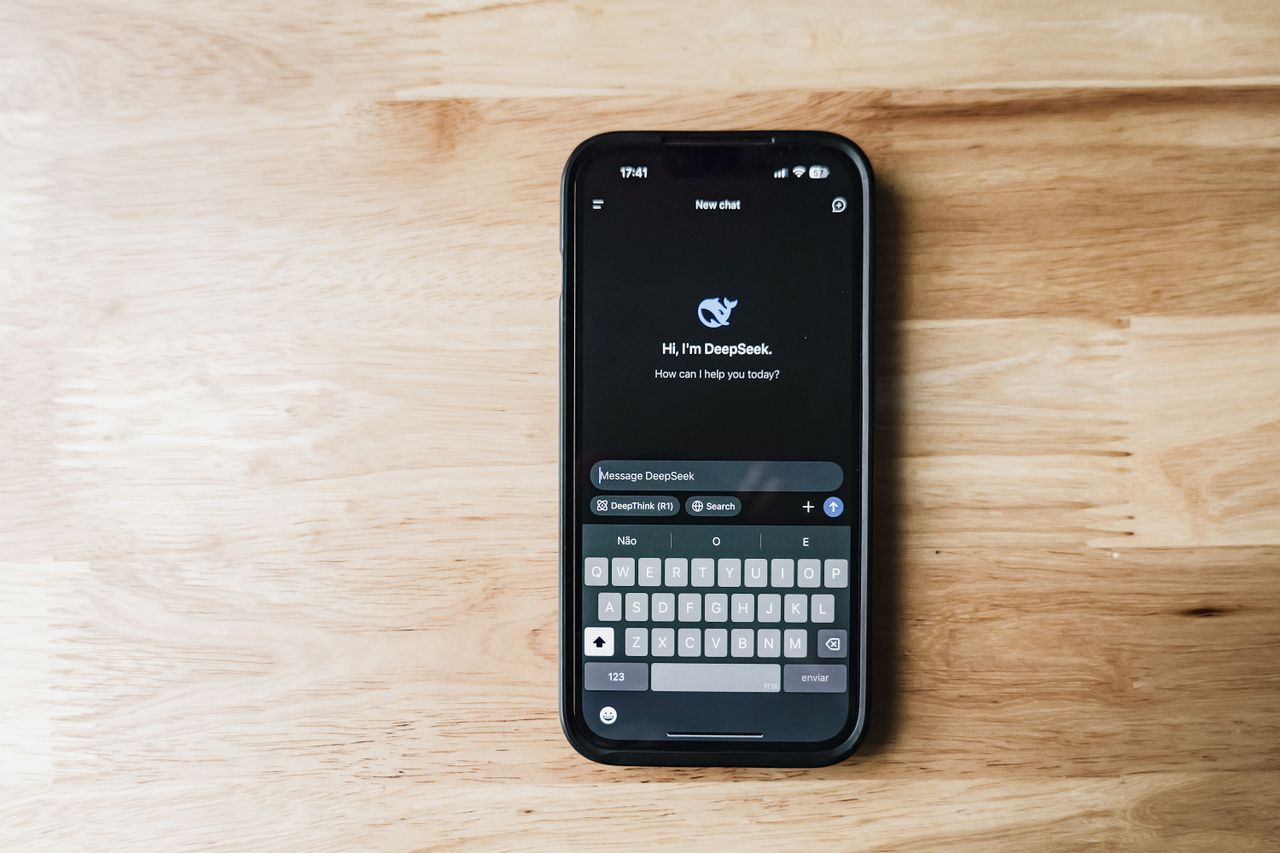
While this technically fits under the marketing umbrella too, it deserves its own mention. We live in a world where artificial intelligence is getting noticeably smarter by the day, and not without reason. Plenty of developers “train” their bots to develop better social skills by embedding them in chatrooms or having them analyze real conversations at scale.
These bots help companies most visibly when used as customer support, cutting down how long customers spend waiting, and redirecting them to a human agent when a problem needs more nuance than a bot can offer. But there are plenty of other emerging uses for AI in social messaging too. It can act as a low-stakes practice space for people who struggle with social interaction in general, and it’s already stepping in for actual professionals in some cases — look at the growing number of therapy-adjacent apps and websites that use bots to help people talk through what they’re feeling.
For now, these bots don’t replace the need for real human interaction. It’s usually still fairly obvious you’re talking to a bot rather than a person. But there will likely come a point where you’re chatting with an AI persona without realizing it at all.
You’re constantly available
This point cuts both ways. By staying active across multiple messaging platforms, you’re effectively reachable 24/7. That makes life under modern work culture very convenient in some ways — employers can send a quick work question anytime, and customers can get support both during and outside normal business hours.
At the same time, being constantly available quietly eats into our personal time and privacy, which is something a lot of people genuinely struggle with. Because of that, it’s worth finding a real balance, since messaging platforms can also become a way to escape from the pressure of that constant availability, rather than add to it. Just look at the thousands of communities on Discord, full of like-minded people talking about shared interests and building genuine friendships in ways that weren’t really possible before.
Given how busy daily life tends to be, being part of a community like that can give you a reliable daily dose of positive interaction with other people. It’s often easier to connect with people online than to approach a stranger in person, and it opens the door to meeting people from literally anywhere in the world. If you work night shifts, or just can’t sleep, you’re never really alone — there’s almost always someone awake on the other side of the planet.
You can share things directly with others
Whether you need a roommate to sign a new lease, or want a colleague to see the latest monthly report, social messaging apps let you share files, photos, videos, and more, instantly. Why wait days for something to arrive by mail, or risk it getting buried in an email inbox? Send a message through an app like Kik, Telegram, or Skype, and you can attach the exact file you’re talking about right there in the conversation.
A genuinely great part of this is that most messaging apps let you search back through previous messages and files, making it easy to find exactly what you need later without digging through folders. And it’s not limited to file sharing either — these apps also let you share your live location when meeting up with someone, or send a calendar invite that adds itself automatically once the other person accepts.
Thanks to how far the technology has come, planning and sharing information has genuinely never been more accessible.
Messaging is quietly replacing other apps entirely
In a lot of countries, messaging apps have already expanded well beyond just chatting — they’ve become the primary interface for ordering food, paying friends back, booking appointments, and even shopping directly through a chat window with a business. Rather than downloading a separate app for every single task, more and more of daily life is folding into whichever messaging app someone already has open most of the day. That trend shows no sign of slowing down, and it’s a big part of why these apps matter so much more than plain “texting” ever did.
Communities are replacing traditional social networks
A noticeable shift over the past several years has been people moving away from broadcasting their lives publicly on traditional social media, and toward smaller, more private spaces built around messaging instead. Group chats, Discord servers, and Telegram channels let people share things with a specific, trusted circle rather than a wide public audience, and that shift toward intimacy over reach seems to be sticking. If privacy is part of why you prefer these smaller spaces, our comparison of secure messaging apps is worth a look. It’s a meaningfully different way of being social online — less performative, more like an ongoing conversation with people who actually know you.
This also explains part of why messaging apps keep adding more “social” features that used to belong exclusively to platforms like Facebook or Instagram: stories, status updates, public channels, and even short-form video. The lines between “a messaging app” and “a social network” are blurring more every year, and the apps that blend both well tend to be the ones pulling ahead.
Work is moving into messaging apps too
It’s not just personal life that’s shifting into messaging apps — plenty of workplaces have adopted tools like Slack, Discord, or Telegram for day-to-day communication instead of relying purely on email. The appeal is obvious: real-time replies, searchable history, and the ability to organize conversations into dedicated channels or threads by topic or team. For a lot of younger workers especially, messaging-first communication now feels more natural at work than a formal email chain ever did, and that expectation is only going to grow as more of the workforce grows up already living inside these apps.
To Conclude
As you can see from the examples above, and plenty more beyond them, social messaging apps have made our lives noticeably easier than they might otherwise have been. Technology keeps changing and improving, so there’s no way to say with certainty exactly what the future holds. That said, the odds are genuinely high that social messaging apps will play a major role in how that future takes shape. Now’s a good time to actually make use of these advancements and stay connected to the online world around you.