
Is Online Dating Making You Lonelier? Here's What the Research Actually Says
Dating apps get blamed for rising loneliness fairly often. The actual picture is more nuanced -- it depends heavily on how the apps are used, not just whether they're used at all.
September 29, 2026 - 10 min read
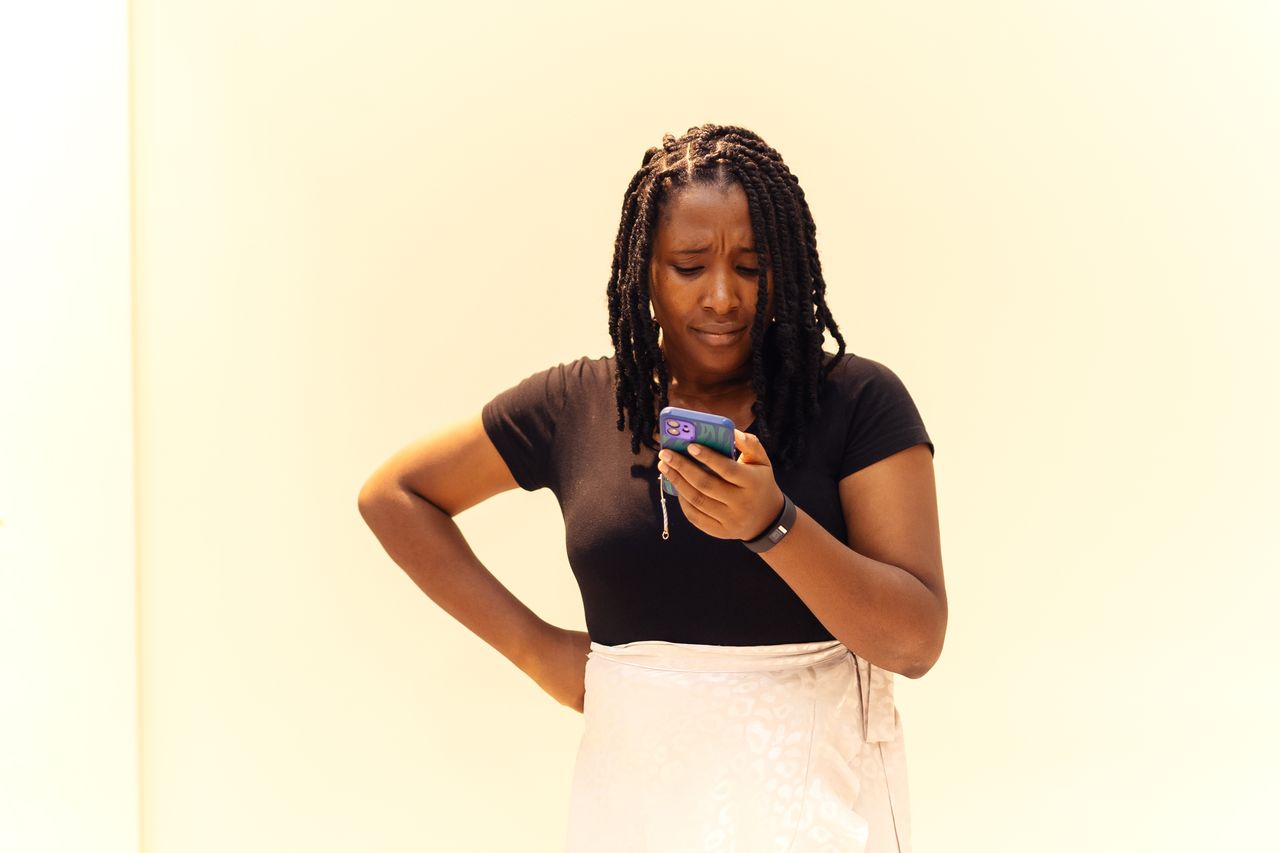
"Dating apps are making everyone lonelier" has become a fairly common claim, repeated often enough that it's worth actually examining rather than just accepting. The honest answer is more nuanced than the headline version, and it matters a lot how you're actually using them.
Loneliness among younger adults has been rising for a while now, well documented across multiple independent studies, and it's understandable that dating apps, given how central they've become to modern dating, get pulled into that conversation. But correlation isn't causation, and the relationship between dating apps and loneliness turns out to be a lot more complicated than "using them makes you lonely."
The case against dating apps
There's a real argument here, and it's worth taking seriously rather than dismissing outright. Dating apps can absolutely contribute to feelings of isolation in specific, identifiable ways. A steady stream of matches that never turn into actual conversations, or conversations that never turn into actual dates, produces a very particular kind of loneliness: the sense of being surrounded by potential connection that never actually materializes. That's arguably worse, for a lot of people, than having no romantic prospects visible at all, because it constantly holds out a promise it doesn't deliver on.
There's also the sheer amount of rejection built into the format. Even mild, low-stakes rejection, repeated dozens or hundreds of times over months of swiping, adds up. And the sheer volume of options can paradoxically make people feel more alone rather than less, since it's easy to interpret "so many options and still no one that worked out" as a personal failing rather than a predictable outcome of how the format itself is built. Add in the very real fatigue we've covered in our piece on dating app fatigue, and it's not hard to see how heavy, volume-driven use could leave someone feeling more isolated rather than less.
The case that it's more about use than the apps themselves
That said, the research doesn't actually support a simple "apps cause loneliness" conclusion. Plenty of people use dating apps regularly and don't report increased loneliness, and plenty of people who've never used a dating app in their life report high levels of loneliness too. If the apps themselves were the primary driver, you'd expect a much cleaner, more direct relationship than what actually shows up in the data.
What the research points to more consistently is that the effect depends heavily on how someone uses the apps, not simply whether they use them. Passive, compulsive use, endlessly scrolling without real intent, checking obsessively out of habit rather than genuine interest, tends to correlate with worse outcomes on measures of wellbeing and loneliness. More intentional, selective use, engaging with fewer people but more genuinely, tends to correlate a lot less strongly with those same negative outcomes, or not at all. This lines up with a broader pattern seen with social media generally: it's rarely the tool itself that predicts harm, it's the pattern of engagement.
Loneliness was already rising before the apps got big
It's also worth putting this in a bit of historical context. Loneliness among younger adults has been climbing for longer than dating apps have been the dominant way people meet romantic partners, and the causes researchers point to are considerably broader than any single technology: shrinking third spaces, less unstructured social time, more remote work and remote schooling, declining participation in community and religious groups, and social media use more broadly. Dating apps are one piece of a much larger picture, not a standalone explanation for a trend that predates their widespread adoption.
That doesn't let the apps entirely off the hook, they're clearly part of the broader digital environment that's reshaping how people socialize, but treating them as the singular cause oversimplifies a trend with a lot of contributing factors.
Why the relationship feels stronger than it is
Part of why "dating apps cause loneliness" feels so intuitively true is that using the apps heavily and feeling lonely often show up together, but the arrow of causation likely runs both ways, and possibly more strongly in one direction than people assume. Someone who's already feeling isolated may turn to dating apps more heavily, hoping they'll fill that gap, and when they don't, in part because apps are genuinely not well suited to solving loneliness broadly, only romantic-specific connection, the loneliness persists or even deepens, and the apps get blamed for causing what was substantially already there.
This matters practically, because if the underlying loneliness isn't specifically about lacking a romantic partner, more swiping isn't going to fix it, no matter how the swiping is approached. A wider social life, close friendships, a sense of community, matters just as much, and our piece on making friends online is worth reading alongside anything about dating apps specifically, since romantic connection is only one piece of what actually reduces loneliness.
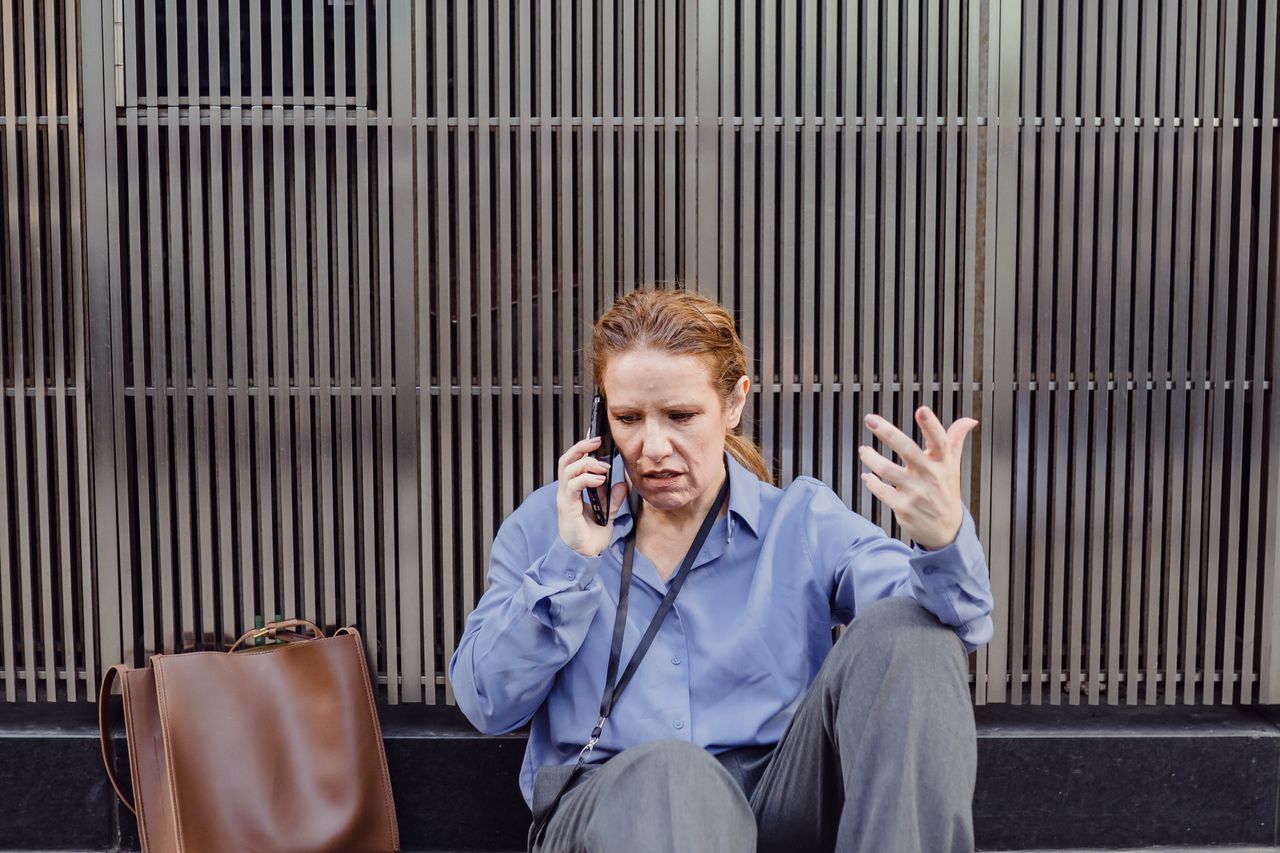
This is also part of why the pushback against volume-driven swiping, the trend we cover in why Gen Z wants more than just a match, is worth paying attention to. A generation that grew up inside these apps has had the most direct exposure to exactly this dynamic, and a lot of that pushback is really a demand for something less isolating, not a rejection of digital dating altogether.
What actually seems to help
Given what the research points to, a few adjustments tend to make dating apps a less isolating experience, even if they're not a complete fix on their own.
Use them with intent, not as a default habit. Opening the app because you're bored, rather than because you're actually looking to engage, is the pattern most associated with worse outcomes. Treating it as a deliberate activity rather than a passive scroll makes a real difference.
Invest in fewer, more genuine conversations. This is the same core idea behind quality over quantity in online dating: fewer, deeper conversations tend to produce a stronger sense of actual connection than a wide, shallow spread of matches, and a stronger sense of connection is precisely what pushes back against loneliness.
Don't ask dating apps to solve non-romantic loneliness. If what you're actually missing is a broader sense of community or friendship, no amount of swiping is going to fill that specific gap. It's worth being honest with yourself about which kind of connection you're actually short on.
Take breaks without guilt. If a period of app use has started to feel isolating rather than connecting, stepping away isn't giving up, it's a reasonable response to a tool that isn't currently serving you.
A note on comparison and social media crossover
Part of what makes dating apps a uniquely potent setting for loneliness, when they do contribute to it, is that they combine two things that are each individually associated with worse wellbeing when overused: social comparison and rejection exposure. Scrolling past profile after profile invites a kind of comparison that's structurally similar to scrolling a social media feed, except layered with the added weight of romantic and physical judgment, which tends to cut closer to identity than comparing vacation photos does. That combination is worth naming explicitly, because it helps explain why heavy dating app use can leave people feeling drained in a way that's a bit different from ordinary social media fatigue, even though the underlying mechanism, too much passive exposure, too little genuine connection, is fairly similar.
What to watch for in yourself
A useful, practical check: after a typical session on a dating app, do you feel roughly the same, better, or worse than before you opened it? This is a simple question, but it's rarely one people actually stop to ask themselves in the moment, since app use tends to happen habitually rather than deliberately. If a clear pattern emerges, feeling consistently worse, more anxious, or more isolated after using the app than before, that's worth treating as real data about how this specific tool is affecting you right now, regardless of what the broader research says about dating apps in general. Individual patterns can diverge meaningfully from population-level findings, and your own reaction is ultimately the most relevant data point for deciding how to use these apps going forward.
It's not an all-or-nothing decision
It's worth being clear that none of this is an argument for quitting dating apps entirely if they're not currently making you feel worse. For a lot of people, they work perfectly well and don't contribute to loneliness at all. The point isn't that everyone should walk away, it's that the relationship between dating apps and loneliness is genuinely conditional, on how much you're using them, how you're using them, and what else is going on in your broader social life at the time. Treating that relationship as fixed, either "apps are fine" or "apps cause loneliness", flattens something that's actually a lot more responsive to your own specific habits than either extreme suggests.
Talking to friends about it helps more than it seems like it would
One thing that gets overlooked in this conversation: loneliness thrives on silence, and a surprising amount of dating-related isolation gets quietly reinforced by not talking about it. If you're feeling drained or isolated by the process, it's worth actually saying so to a friend, rather than treating it as a private frustration to manage alone. Most people who use dating apps regularly have felt some version of the same thing at some point, and hearing that out loud tends to puncture the sense that you're uniquely bad at this or uniquely unlucky. A lot of what feels like a personal failing when it's kept private turns out to be a fairly universal experience once it's actually discussed.
A simple self-audit worth doing once a month
Rather than relying purely on a vague overall impression, it can help to actually track your own pattern for a stretch of a few weeks: how often you're opening the app, how that correlates with your mood before and after, and whether the time spent is producing conversations you're glad you had. This doesn't need to be a formal log, just enough attention to notice a trend rather than guessing at one. A monthly check-in like this catches a drifting pattern long before it becomes a settled, harder-to-shift habit.
The honest answer
Online dating isn't inherently making people lonelier, but the specific way a lot of people currently use it, high-volume, low-intent, compulsive, plausibly is. The apps aren't a neutral backdrop to this trend, but they're also not the singular cause a lot of headlines suggest. If you've noticed dating apps leaving you feeling more isolated rather than less, it's worth looking closely at your pattern of use before concluding the tool itself is the problem, and worth considering whether some of what you're missing might actually be broader connection that dating apps were never designed to provide in the first place.