
Why Dating App Fatigue Is Real (and What to Do About It)
Swiping for months without a single real conversation isn't in your head. Dating app fatigue is a documented, widely felt phenomenon, and there are concrete ways to push back against it.
August 18, 2026 - 11 min read
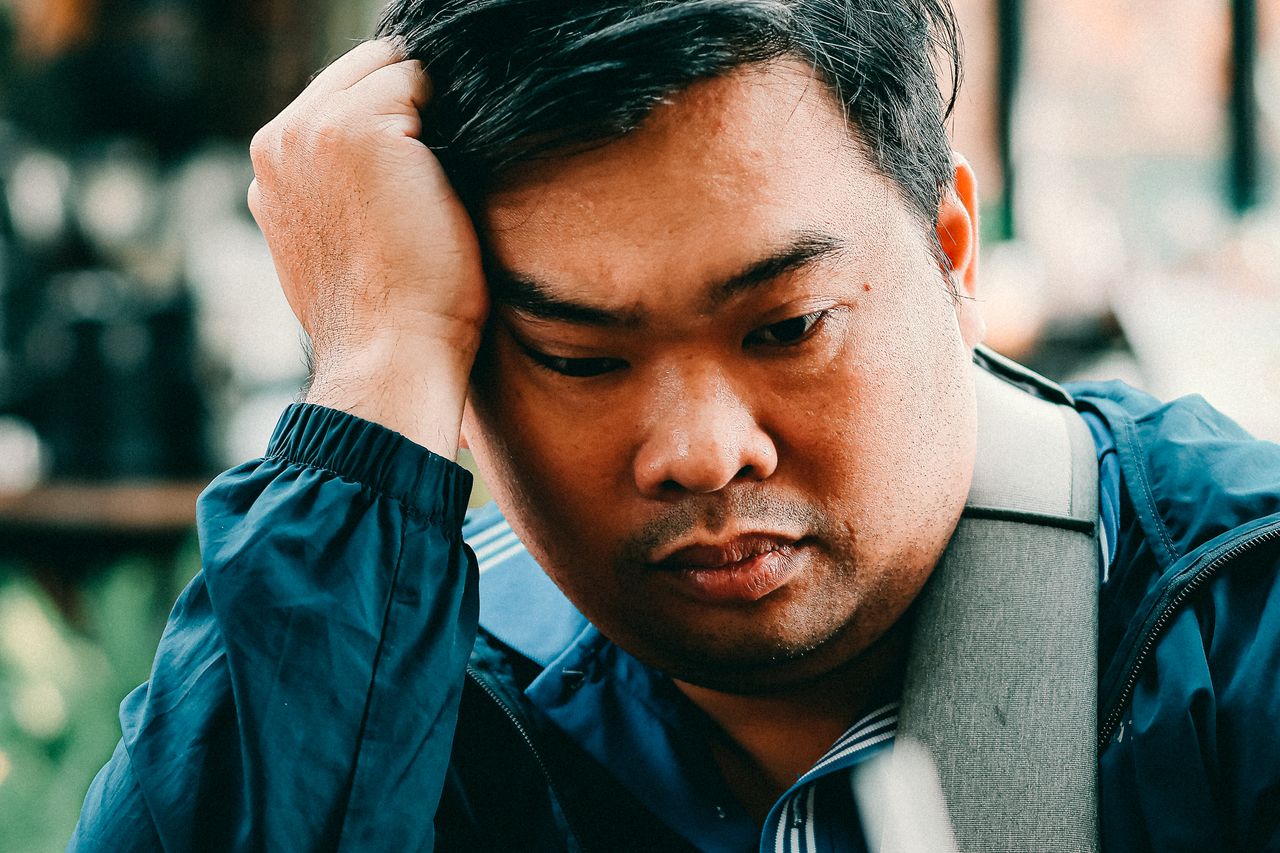
If opening a dating app has started to feel more like a chore than a source of excitement, you're not imagining it. Dating app fatigue is a real, widely reported phenomenon, and understanding why it happens is the first step toward actually fixing it.
A few years ago, downloading a dating app felt genuinely exciting. New people, new possibilities, a little rush every time your phone buzzed with a match. For a lot of people now, that feeling has quietly worn off. The swiping still happens, the matches still come in, but the excitement doesn't. Surveys of younger daters have repeatedly found rising numbers of people saying they've deleted a dating app, taken an extended break from one, or simply stopped opening it, not because they found someone, but because they got tired of it. That tiredness has a name now: dating app fatigue, and it's worth taking seriously rather than pushing through and hoping it passes on its own.
What dating app fatigue actually looks like
Fatigue rarely shows up as a dramatic burnout moment. It's quieter than that. It's opening the app out of habit, scrolling through a few profiles without really looking at them, and closing it again a minute later without swiping on anyone. It's matches piling up that you never message, not because you're not interested, but because starting yet another "hey, how's your week going" conversation feels like homework. It's a low hum of dread whenever a notification pops up, instead of the curiosity it used to spark.
For some people, it builds up as a genuine sense of resentment toward the whole process. You put in real effort: a thoughtful profile, decent photos, messages that actually engage with what the other person wrote, and the return on that effort feels disproportionately small. One-word replies, conversations that fizzle after two days, matches who unmatch without a word. Over enough cycles of that, it stops feeling like bad luck and starts feeling like the format itself is broken.
Why it happens
A big part of the problem is structural, not personal. Most dating apps are designed around continuous engagement, not around getting you off the app as quickly as possible into an actual relationship. The more time you spend swiping, matching, and messaging, the better that looks for the platform's numbers, even if it's genuinely worse for you. That's not a conspiracy theory, it's just how an engagement-driven product tends to evolve over time, the same way it happens with social media feeds.
Layer onto that the sheer volume most apps expose you to. Having access to hundreds of potential matches sounds like an advantage, and in some ways it is, but psychologically it tends to backfire. When there's always a theoretically better option one swipe away, it becomes harder to invest real attention in the person you're actually talking to. Researchers call this the paradox of choice: past a certain point, more options don't make decisions easier, they make them harder, and they make people less satisfied with whatever they eventually pick. Dating apps hand you an effectively unlimited set of options, which is exactly the environment where that paradox tends to bite hardest.
There's also the sheer repetition of it. Writing a bio, picking photos, sending an opener, having the same "so what do you do" conversation for the tenth time this month, it adds up. Add in the very real risk of encountering rude messages, ghosting, or people who were never looking for anything serious in the first place, and it's not hard to see how the process wears people down over months or years of use.

It's not just you
If it helps, this isn't a personal failing or a sign that something's wrong with how you're approaching dating. It's a widely reported pattern, and it shows up especially strongly among younger daters, many of whom grew up with these apps as their default introduction to dating rather than a novelty they opted into later in life. When something has been your primary way of meeting people since your late teens, it makes sense that the format eventually starts to feel stale in a way it wouldn't for someone who only tried it occasionally.
It also helps to separate the feeling from the tool. Dating app fatigue isn't proof that online dating as a concept is broken, or that you should give up on meeting people through a screen altogether. Our overview of online dating still holds up: the format genuinely does lower the barrier to that first, often-terrifying approach. What's worn out isn't the concept, it's a specific pattern of use, usually one built around volume rather than actual connection.
Signs you're further along than you think
Fatigue tends to creep up gradually, which makes it easy to miss until it's fairly entrenched. If you want a more detailed self-check, we've put together a full list of the signs of swipe burnout, but a few early markers are worth flagging here: dreading the app rather than looking forward to it, judging profiles faster and more harshly than you used to, and feeling relieved rather than disappointed when a promising conversation fizzles out, because at least it's one less thing to keep up with.
What actually helps
The good news is that dating app fatigue responds pretty well to deliberate changes, rather than requiring you to give up on meeting people entirely.
Cut the number of apps you're actively using. Running three or four apps simultaneously multiplies the volume problem rather than solving it. Pick one, maybe two, and actually invest attention there instead of spreading thin conversations across a dozen open tabs.
Set a boundary around how often you check it. Treating a dating app like a notification-driven habit, checking it the same way you'd check social media, is one of the fastest routes to burnout. Try checking it at a set time once or twice a day instead of whenever your phone buzzes.
Slow down on volume, deliberately. Instead of swiping through as many profiles as possible in one sitting, cap yourself at a smaller number and actually read them. You'll likely message fewer people, but the conversations you do start will tend to hold up better. This overlaps a lot with what we cover in our piece on quality over quantity in online dating, if you want the deeper version of this idea.
Take an actual break when you need one. Deleting the app for two weeks isn't giving up. It's the same thing as taking a break from a stressful job for a weekend: you come back with more patience, not less chance of success. Plenty of people who take breaks come back to dating with noticeably more energy for it.
Reconnect with why you started. It sounds obvious, but it's easy to lose sight of. You didn't download a dating app because you wanted a part-time job scrolling through faces. You downloaded it because you wanted to meet someone. Reminding yourself of that, and adjusting your approach so the app actually serves that goal rather than becoming the goal itself, makes a genuine difference.
Rethinking what "success" looks like
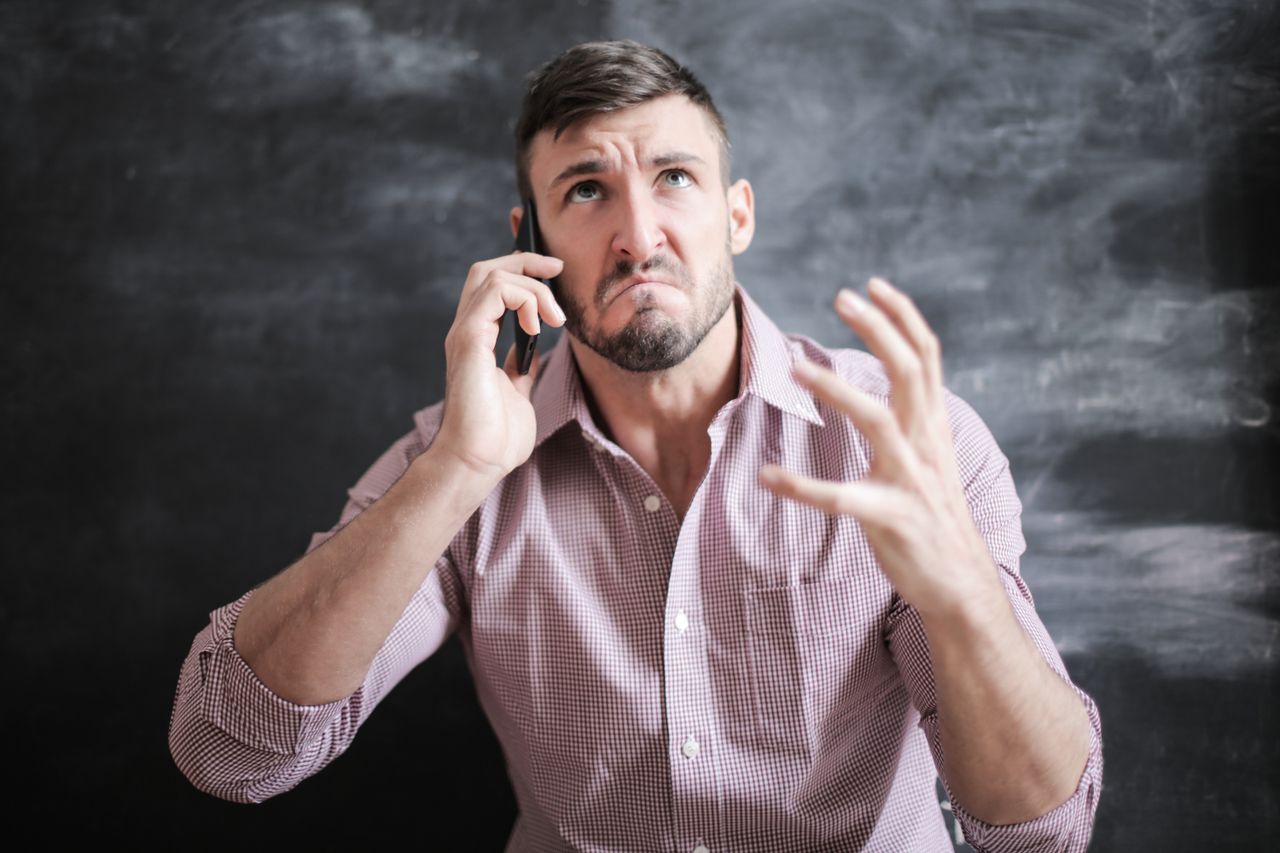
Part of what makes fatigue so persistent is measuring success by the wrong metric. If you're judging how a dating app is going by how many matches you've racked up, you're optimizing for a number that has almost nothing to do with what you actually want. A better measure is something like: how many genuinely good conversations have I had this month, however few that is. One real, engaged conversation is worth more than fifty matches who never reply.
This ties into a broader shift a lot of people, especially younger daters, seem to be making right now: away from apps as a volume game and toward something closer to what's sometimes called slow dating, fewer conversations, held for longer, chosen more deliberately. It's a genuinely different way to use the same tools, and for a lot of people, it's the thing that actually breaks the fatigue cycle rather than just papering over it.
How long it typically takes to recover
There's no fixed timeline, but a pattern shows up often enough to be worth mentioning: people who take fatigue seriously and actually change how they use the apps, rather than just pushing through it, tend to notice a real shift within a few weeks. That doesn't mean the excitement snaps back overnight. It usually starts as a smaller thing, opening the app and actually feeling a bit of curiosity again instead of dread, or catching yourself reading a profile properly instead of skimming past it. Those small shifts are worth noticing, because they're usually the first sign that the underlying burnout is easing rather than deepening.
People who ignore the signs and keep using the apps at the same pace, on the other hand, tend to report the opposite trajectory: fatigue that deepens gradually until they either quit the apps altogether, sometimes for a year or more, or keep using them in an increasingly disengaged, low-effort way that produces worse results and reinforces the exhaustion. Recognizing fatigue early and adjusting is a much easier path back to enjoying the process than waiting until you've fully burned out.
Fatigue after a string of bad experiences is a different animal
It's worth distinguishing general fatigue, the slow wear-and-tear kind, from fatigue that follows a specific bad stretch: a relationship that ended badly, an unusually rude conversation, or a run of matches who all turned out to be looking for something very different from what they claimed. That kind of fatigue tends to hit harder and faster, and it often comes with a genuine dip in trust, not just tiredness with the mechanics of swiping.
If that's closer to what you're experiencing, it's worth giving yourself a longer, more deliberate break than you might for ordinary fatigue, and being a little more careful about diving back in before you've actually processed whatever happened. There's a real difference between "I'm tired of the format" and "I'm still a little hurt from what just happened," and the second one usually needs more than a two-week break from an app to actually resolve.
Fatigue shows up differently depending on your dating goals
It's worth noting that fatigue tends to look and feel a bit different depending on what you're actually using the apps for. Someone looking for a long-term partner often describes fatigue as disillusionment, a growing sense that the format simply isn't built to surface the kind of relationship they want, no matter how long they stick with it. Someone using apps more casually often describes it differently, more like a flat, going-through-the-motions feeling than outright despair, since the stakes of any individual conversation not working out feel lower to begin with.
Neither version is more valid than the other, but it's worth being honest with yourself about which one you're experiencing, since the fix looks a little different depending on which it is. Disillusionment usually calls for a more fundamental change in approach, not just a break, things like being far more selective about who you match with, or shifting toward the slower, more intentional style of dating we cover elsewhere. A flatter, more habitual fatigue often responds well to something simpler: a genuine pause, followed by rebuilding the habit around actual intention rather than idle scrolling.
The bottom line
Dating app fatigue is a real, well-documented response to how these platforms are built and how heavily many of us have leaned on them. It's not a sign you're doing something wrong, and it's not a reason to swear off online dating altogether. It is a signal worth listening to: a nudge to slow down, cut the noise, and rebuild your approach around actual connection instead of constant volume. The apps aren't going anywhere, but how you use them is entirely up to you.