
The Rise of Slow Dating: Why Fewer, Better Conversations Beat Endless Swiping
Slow dating flips the swipe-heavy model on its head, favoring a handful of intentional conversations over dozens of shallow ones. Here's what it looks like and why it's catching on.
August 30, 2026 - 10 min read
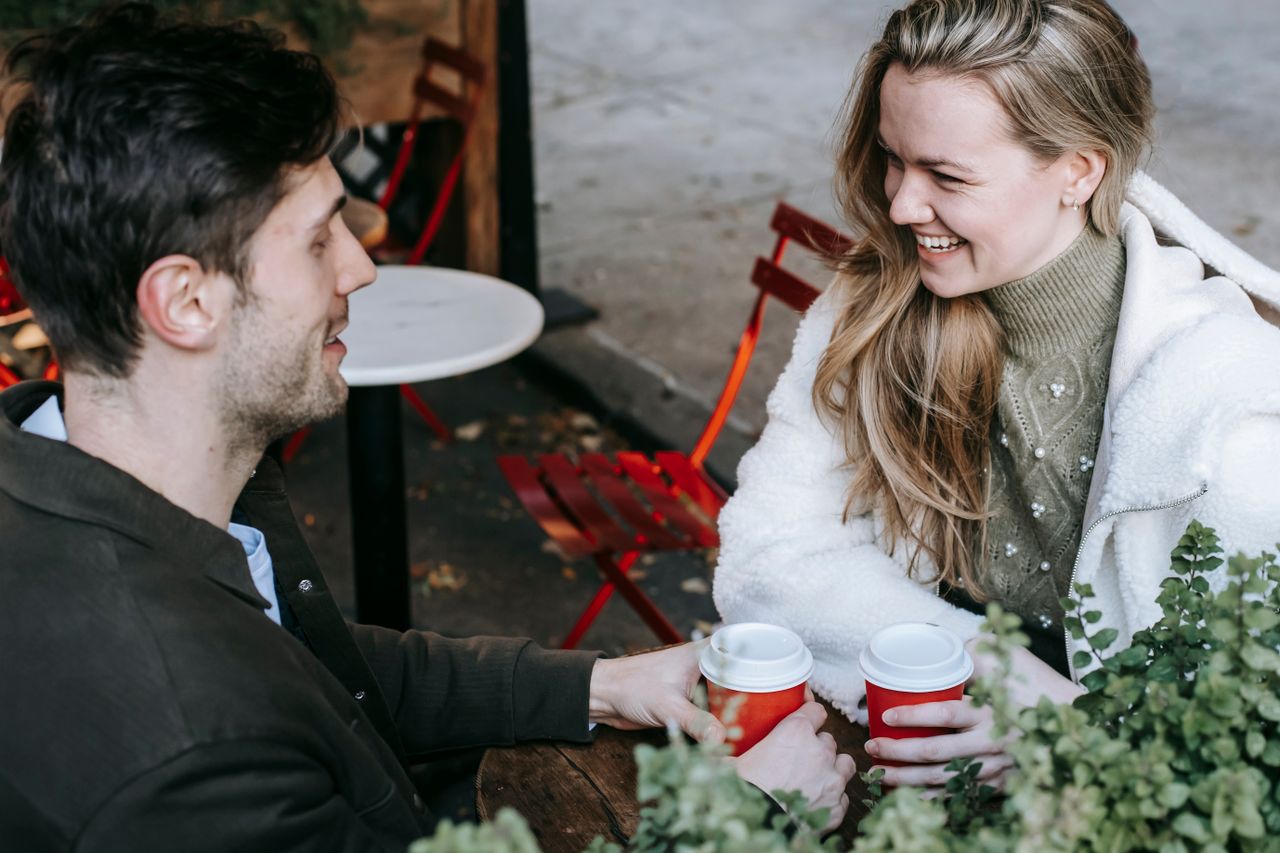
A growing number of people are quietly rejecting the swipe-as-many-as-possible model of dating in favor of something slower and more deliberate. It's usually called slow dating, and it's less a trend than a genuine shift in how people want to meet each other.
For most of the last decade, the dominant model for online dating has been built around volume: swipe through as many profiles as you can, match with as many people as possible, and let the numbers eventually work in your favor. It made sense as a strategy when the apps were new and the pool of people felt smaller. It makes a lot less sense now, when the pool feels essentially infinite and most people carry some degree of dating app fatigue from years of that exact approach. Slow dating is the response to that: a deliberate move away from breadth and toward depth.
What slow dating actually means
Slow dating isn't a specific app feature or a rigid set of rules. It's more of a mindset shift, one that shows up in a few consistent habits. People practicing it tend to match with far fewer people at a time, often just one or two, rather than keeping a dozen conversations running in parallel. They spend more time actually reading a profile before deciding whether to engage, rather than making a split-second judgment based on the first photo. And they're more willing to let a conversation develop over days or weeks before pushing toward meeting up, rather than treating every match as a race to lock in a date before the other person loses interest.
The name is a deliberate echo of the slow food movement, which pushed back against fast food's speed-and-volume model in favor of paying attention to what you're actually consuming. Slow dating applies roughly the same logic to romantic attention: instead of consuming as many potential matches as possible, it's about giving fewer people your genuine focus.
Why it's catching on now
A few things are converging to make slow dating feel less like a niche preference and more like a real shift. The first is simple exhaustion. Years of swipe-heavy use have left a lot of people, especially younger daters who've never known dating without apps, genuinely tired of the format. When something stops working the way it used to, people naturally start looking for an alternative approach, even while using the same underlying tools.
The second is a growing awareness of just how much volume undermines connection. Having a huge number of options available at once sounds like it should make finding a good match easier, but the research on choice overload says otherwise: past a certain point, more options make people less satisfied with whatever they eventually choose, and less able to commit real attention to any one option while something else is theoretically one swipe away. Slow dating is, in a sense, a workaround for that exact problem. By deliberately narrowing focus, it sidesteps the paradox of choice instead of trying to power through it.
The third is a broader cultural shift toward wanting things that feel genuine rather than optimized. That same instinct shows up in plenty of other places, favoring smaller social circles over huge follower counts, seeking out unfiltered content over polished feeds, and it's landing on dating too. A conversation that took three weeks to build feels more substantial, in a way a lot of people are actively seeking out, than fifteen conversations that all fizzled within two days.
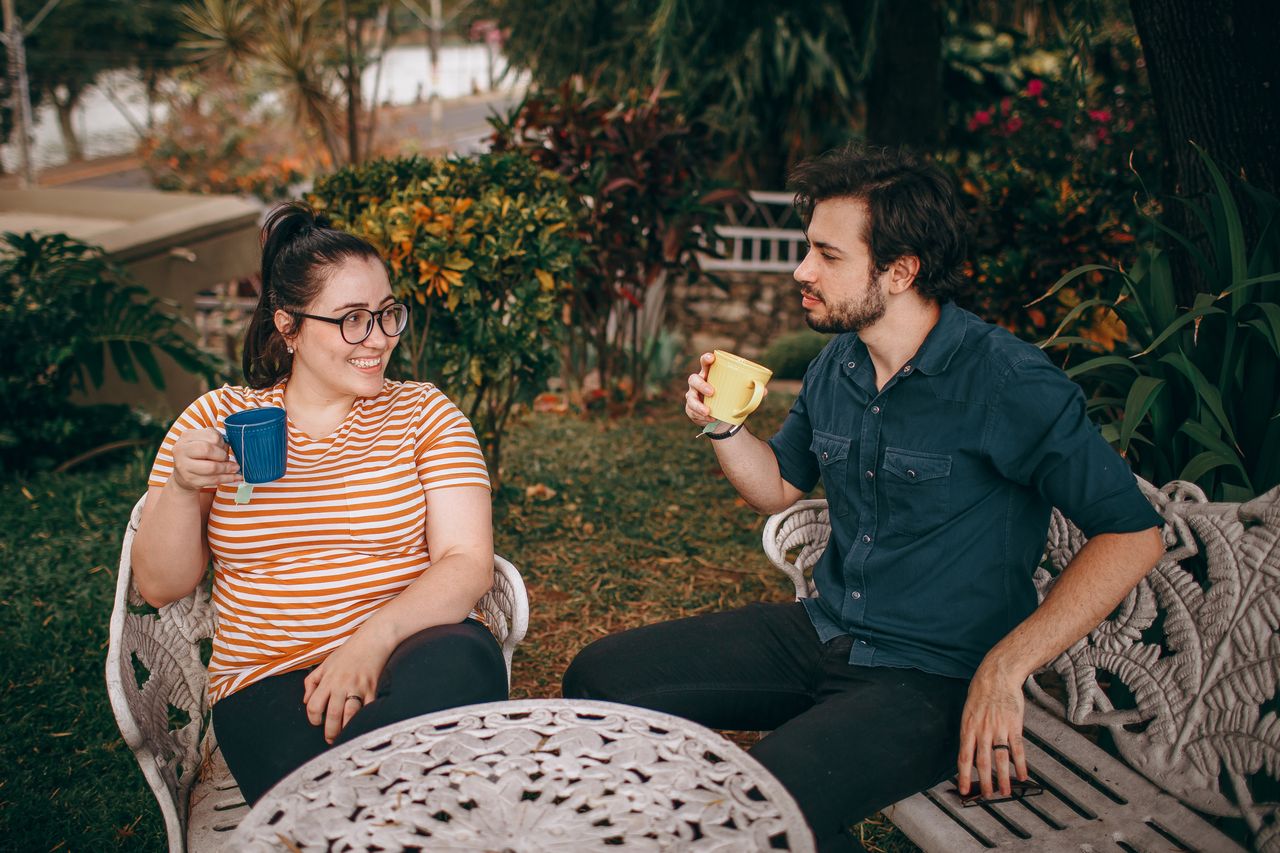
What slow dating looks like in practice
If you want to actually try this approach rather than just nodding along with the concept, a few concrete habits make the difference.
Match selectively, not exhaustively. Instead of swiping right on anyone who seems reasonably fine, hold out for profiles that genuinely catch your interest. This naturally shrinks your match count, but the matches you do get tend to carry more weight, because you actually wanted them.
Read before you judge. Give a profile's bio, prompts, and photos a real look before deciding. A few extra seconds per profile adds up to a meaningfully different, more thoughtful pace of swiping over a session.
Let conversations breathe. Not every match needs to escalate to "let's meet up" within the first three messages. It's fine to let a conversation build gradually across a few days, as long as both people are actually engaged rather than one side quietly losing interest.
Cap how many conversations you run at once. Trying to hold five or six threads simultaneously tends to flatten all of them into the same shallow small talk, since your attention is split too thin. Focusing on one or two conversations at a time lets each one actually develop its own texture.
Treat the goal as connection, not volume. This is really the whole philosophy in one line. If you're measuring success by how many matches or messages you've racked up, you're optimizing for the wrong thing entirely.
Slow dating doesn't mean passive dating
It's worth being clear about what slow dating isn't. It isn't taking forever to reply out of a sense of playing hard to get, and it isn't dragging out a conversation indefinitely without ever actually meeting up. Deliberately stalling isn't the same thing as being intentional, and the two get confused fairly often. The point of slow dating is quality of attention, not artificially slowing down the timeline for its own sake. Once a conversation with someone has genuinely built real interest and rapport, moving toward meeting up in person is still the natural next step, and slow dating doesn't mean putting that off indefinitely.
It pairs naturally with quality-over-quantity thinking
Slow dating is really one expression of a broader principle: that a handful of good conversations beat a pile of mediocre ones, in basically every measurable way that matters, satisfaction, actual dates that happen, and how burned out you end up feeling by the process. We go into that idea in more depth in our piece on quality over quantity in online dating, which covers some of the practical mechanics of shifting your approach even if you're not ready to fully commit to the slow dating label.

Who slow dating tends to work best for
Slow dating isn't a universal fix, and it's worth being honest about that. If you're actively trying to meet a lot of people quickly, casual dating, exploring what you're looking for, a slower, narrower approach might genuinely feel like the wrong fit for where you are right now, and that's a completely reasonable thing to want. Slow dating tends to resonate most with people who've already tried the high-volume approach, felt it wear them down, and are specifically looking for something more sustainable, or who are looking for a serious relationship and would rather invest deeply in fewer people than spread themselves thin across many.
If that sounds like where you're at, it's worth trying deliberately for a month rather than expecting it to happen naturally. Old swiping habits are sticky, and it usually takes an actual, conscious effort to shift out of them.
What critics of slow dating tend to get wrong
Slow dating gets some pushback, usually along the lines of "just message more people, one of them will work out eventually," and it's worth addressing that directly rather than ignoring it. The critique assumes that more attempts straightforwardly means better odds, but that only holds if the quality of attention behind each attempt stays constant as the number of attempts grows. In practice, it doesn't. Attention is finite, and splitting it across more conversations means each one gets a thinner slice of it. A person capable of ten genuinely attentive, well-considered conversations a month isn't capable of forty equally attentive ones just because they decided to swipe more; something has to give, and it's almost always depth.
There's also a fairness dimension worth naming. A conversation held with real attention is simply a better experience for the other person too, not just a strategy that happens to serve you. Slow dating isn't only about improving your own odds, it's about actually being present for the people you're getting to know, rather than treating them as one of many parallel processes running at once.
How to know if it's working
Because slow dating trades a visible metric, match count, for a much less visible one, quality of connection, it can be hard to tell early on whether the shift is actually paying off or whether you've just made dating slower without making it better. A few honest checkpoints help: are the conversations you're having lasting longer and covering more ground than they used to? Do you find yourself genuinely looking forward to a specific person's replies, rather than feeling neutral about most of your open chats? Are more of your conversations actually reaching an in-person meeting, even if there are fewer of them overall? If the answer to those is yes, the approach is working, even if your total match count has dropped noticeably. If none of those are improving after a few weeks, it might be worth revisiting how selectively you're matching in the first place, since slow dating still requires starting with people you're genuinely curious about.
It's a habit that takes real time to build
Worth setting expectations honestly: if you've spent years on a volume-first approach, the instinct to swipe quickly and match broadly doesn't disappear the moment you decide to try something slower. It's a genuine habit, reinforced by years of repetition, and like any habit, it takes a few conscious weeks to actually shift. Don't be surprised if you catch yourself sliding back into old patterns during a distracted or low-energy moment. That's normal, not a sign the approach doesn't work for you. The goal isn't perfect discipline from day one, it's a gradual, noticeable shift in the overall balance of how you're spending your attention.
A practical way to start, without overhauling everything
If the full philosophy feels like a lot to adopt at once, it's fine to start small rather than restructuring your entire approach overnight. Pick one week and commit to matching with noticeably fewer people than usual, only the profiles that genuinely catch your interest, and see how the conversations that result compare to your typical week. Most people who try this notice the difference almost immediately: fewer conversations, but ones that feel less like small talk and more like an actual exchange between two specific people. That single-week experiment tends to be a lot more convincing than reading about the concept in the abstract, and it's a low-risk way to find out whether the approach genuinely suits you before committing to it as a longer-term habit.
The bigger picture
Slow dating isn't a rejection of dating apps, and it's not a return to some pre-app era of dating. It's a recalibration of how the same tools get used, built around the idea that attention is the actual scarce resource in dating, not the number of people you can theoretically reach. For a lot of people who've felt worn down by the volume-first model, that recalibration is exactly what makes dating feel enjoyable again, rather than one more feed to keep scrolling through.