
Setting Boundaries on an Online Platform
Being online is great -- you can meet people, play games, and access an immense amount of knowledge for free. But it's not all fun and games, so here's how to set real boundaries and protect your mental health while you're at it.
June 13, 2026 - 8 min read

Being online is great! You can meet other people, play games, buy stuff, and you have an immense amount of knowledge available for free. Many people enjoy using the internet for a variety of reasons, and meeting others is a popular one. Unfortunately, it’s not all fun and games on the internet.
There may be times when someone makes you feel uncomfortable, tries to guilt-trip you, or wants you to do things you don’t actually want to do. Luckily, there aren’t many people like that. Still, it’s essential to set real boundaries so you can easily remove yourself from a person or situation like that when it comes up.
Allow yourself to say no
You’re probably familiar with this scenario: your gossiping coworker Karen has decided to add you on Facebook. Not sure how to respond, you decide to just wait until after your workday. But the moment you walk into the office, she’s already calling out to you:
“Have you seen my invitation? It would be SOOO great to be Facebook buddies!”
As the day drags on, she keeps reminding you to accept, and you start feeling a little more guilty each time she brings it up. But here’s the thing: it’s your profile, and it’s your life. If you’d rather keep your work life and social life separate, you have every right to do exactly that. You can decline the friend request, and if she asks about it, you can simply say something like, “I prefer to keep my social life separate from work.” Most people will understand and drop it. If they don’t, you can remind yourself that you genuinely don’t owe them an explanation beyond that.
Saying no can be genuinely hard, especially to someone you see every day, but it’s also worth it — taking care of your own mental health matters just as much as being polite.
Set a time limit for yourself
The internet, and social media in particular, can be mentally draining in ways that sneak up on you. We regularly see people posting pictures of their friends, their vacations, and themselves looking happy. The illusion that these curated pictures represent someone’s entire reality can quietly stir up envy, or even contribute to feeling low, without you fully realizing why. Because of that, it’s worth being intentional about how much time you spend browsing your Facebook or Instagram feed.
Set a daily limit for yourself — an amount of screen time you genuinely feel comfortable with. You can adjust it up or down whenever it makes sense to. Having a limit at all, though, helps carve out space to focus on other parts of your life too, like reading, catching up with friends directly, studying, or just working without a notification pulling your attention away every few minutes.
Don’t overshare
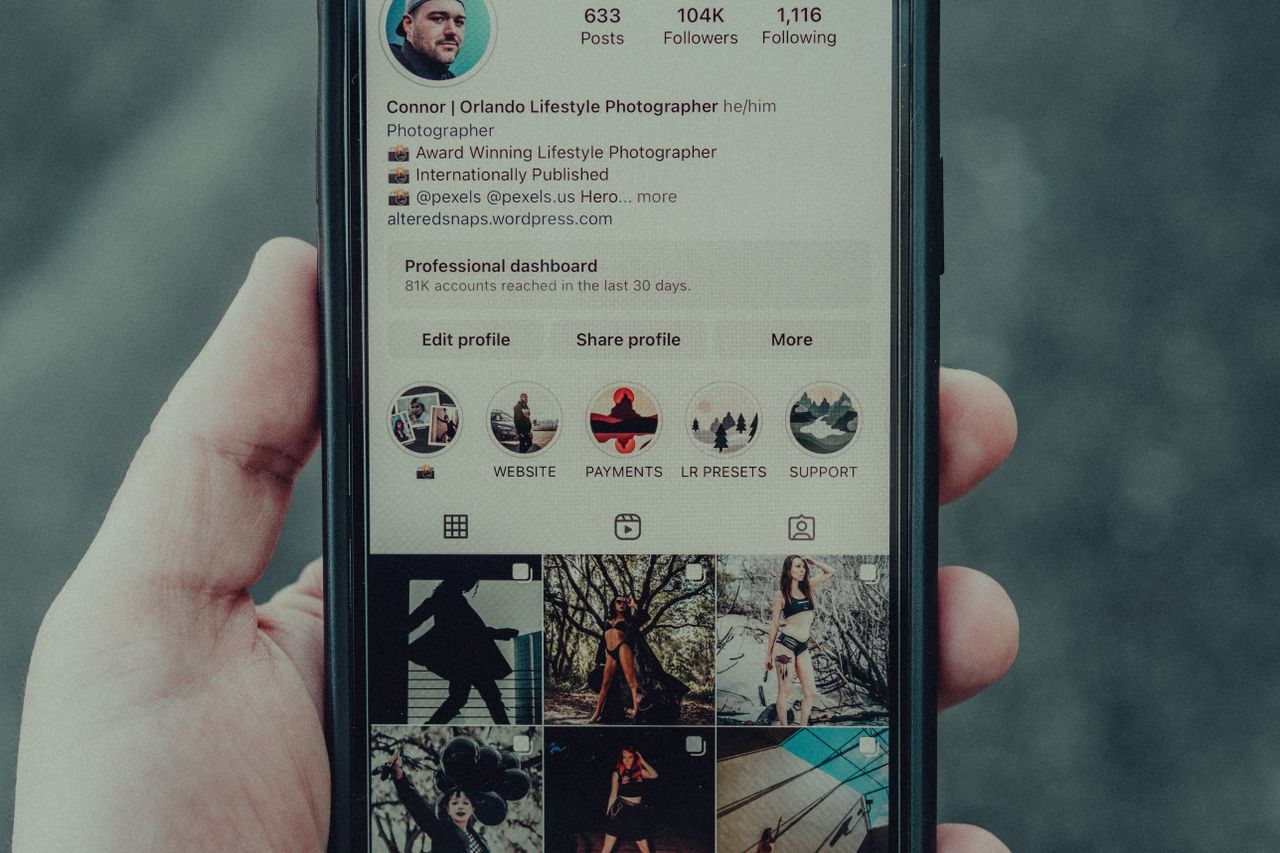
We’re naturally inclined to show the best version of ourselves online, but it doesn’t hurt to keep some things private too. During the holidays, there’s always a noticeable rise in break-ins, partly because so many people post their vacation photos and travel dates publicly, effectively announcing that their home is empty. Explicit photos are another example worth being careful with — no matter how much someone asks, you never owe those to anyone, and sharing them always carries the risk of them ending up distributed somewhere you never intended. Only share private pictures with people you genuinely know and trust, and even then, stay a little cautious.
Oversharing information in general can be used against you in more ways than people expect, from targeted scams to simple social engineering. Our six rules of internet safety cover more of these habits too. It’s worth staying mindful of what you share, where you share it, and who can actually see it.
Keep track of everything
If you use your real name and face online anyway, it’s worth periodically keeping tabs on your own digital footprint. This can mean using a reverse image search on Google to check whether a photo you shared privately has quietly ended up somewhere public. Our guide on securing your online presence covers more habits like this. It’s also worth searching your own name every so often to see which websites or images turn up, just so nothing catches you off guard.
If you ever get the sense that someone has bad intentions, it’s worth screenshotting and saving the messages between you (along with their profile) just in case. Most of the time, nothing ever comes of it, but having that evidence saved is genuinely helpful if you ever need to report them later.
Separate personal and professional
No matter how much you enjoy hanging out with your boss outside of work, it’s often wiser not to add them to your personal friend list. That way, if your boss asks you to work overtime and you can’t or don’t want to, you’re free to say so without worrying they’ll later spot you at a festival that same evening. There have been plenty of cases of employees complaining about their workplace online and being let go shortly after — it’s not a situation you want to risk finding yourself in.
If you need to stay connected with coworkers for practical reasons, consider creating a separate “professional” profile you can add them to instead, keeping your actual personal account free of that extra pressure.
Stay anonymous where it makes sense
You probably already keep a mostly closed profile to stay in touch with family, and that’s great. But you don’t need to be fully public everywhere you go online. When trying out a new platform, you don’t have to immediately use your real name and photo. Starting with a pseudonym and a generic, unlicensed avatar is a perfectly reasonable way to ease in. This way, strangers have no immediate way to identify who you actually are, which makes it a lot harder for anyone to push against your boundaries in the first place.
Think about what you’re agreeing to
It’s worth actually skimming the privacy settings and permissions a new app or platform asks for when you sign up, rather than clicking through them on autopilot. Does it want access to your contacts? Your location, even when you’re not using the app? Permission to post on your behalf? None of these are automatically dealbreakers, but knowing what you’ve agreed to gives you a much clearer sense of where your own boundaries actually sit on a given platform, instead of finding out the hard way later.
Use the “block” button
Lastly, many social media platforms include a block button for a reason, and it’s there to be used. If someone won’t take no for an answer and won’t leave you alone, blocking them is a completely valid way to remove them from your life online. Once blocked, they typically can’t see your profile or contact you anymore. If they also know you in real life and the situation escalates further, it’s worth reporting them to the non-emergency line of your local police as well. Taking these steps helps keep you safe while still letting you enjoy the internet for whatever you originally intended to use it for.
Practice saying it before you need to
Setting a boundary in the moment is a lot easier when you’ve already rehearsed the words at least once, even just in your head. Come up with a short, neutral phrase you can fall back on — “I’d rather not share that,” or “Let’s change the subject” — so you’re not scrambling to find the right words while already feeling uncomfortable. Having a default script ready removes a lot of the friction that usually stops people from setting boundaries in real time.
Boundaries apply to your own behavior too
It’s worth occasionally checking that you’re holding yourself to the same standards you expect from others. Are you respecting it when a friend says they’d rather not discuss something? Do you back off when someone declines an invitation without demanding a reason? Modeling good boundary behavior yourself tends to make it easier for the people around you to feel safe setting their own, and it keeps your online relationships feeling mutual rather than one-sided.
Conclusion
Using the internet comes with real perks and real downsides. By setting boundaries ahead of time, you’ll end up with a noticeably smoother, less stressful experience than if you leave everything to chance. Please don’t feel guilty about saying no or blocking someone when it’s warranted. At the end of the day, you need to prioritize your own mental health, not everyone else’s comfort at the expense of it.